The Ancient History of Chocolate: From Sacred Rituals to a Modern Delight
Introduction
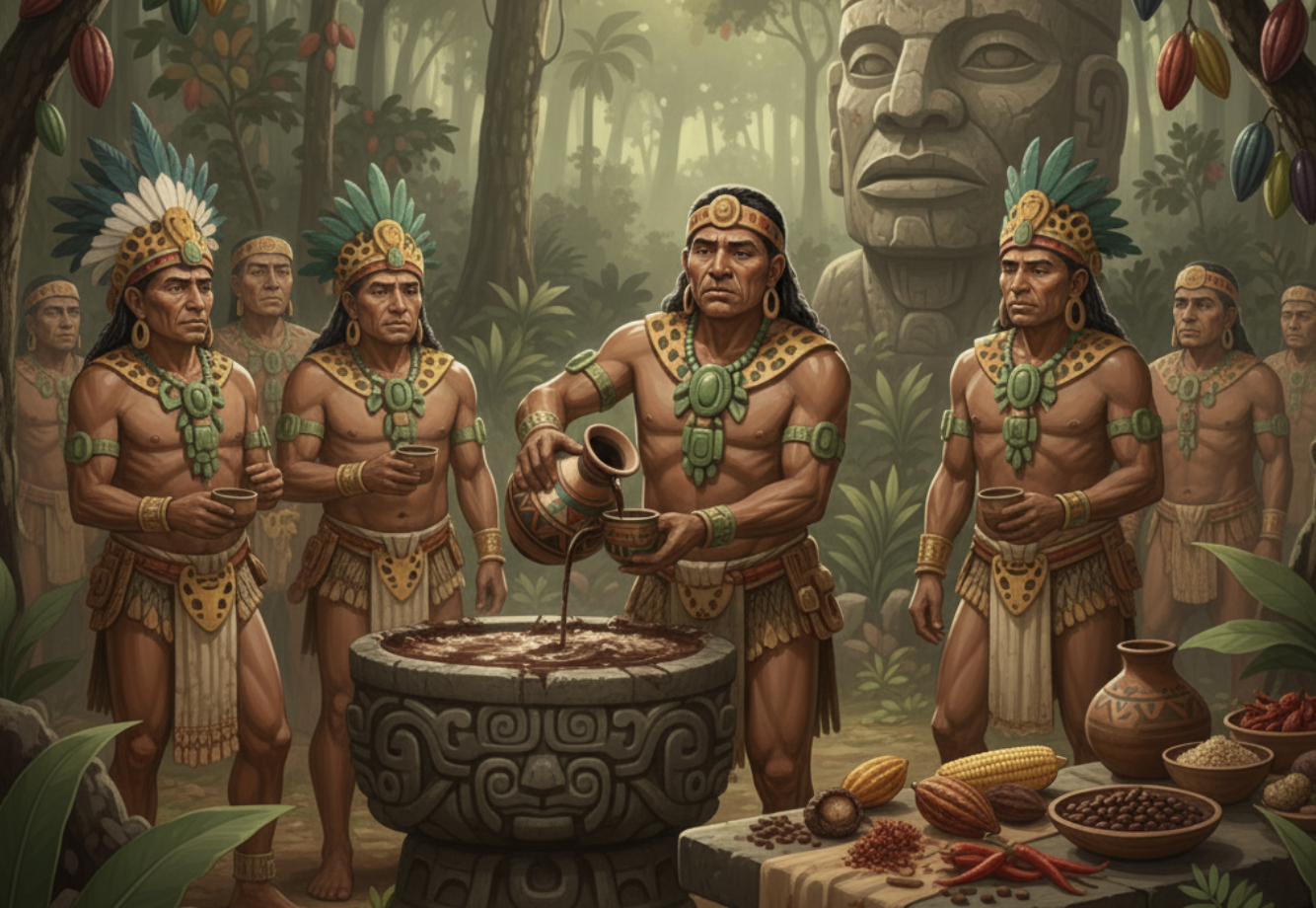
Long before it was a sweet treat enjoyed in bars and bonbons, chocolate was a bitter, sacred beverage consumed by ancient civilizations in Mesoamerica. The story of cacao is one of transformation, spanning thousands of years from its humble beginnings in the Amazon rainforest to its revered status among the Mayans and Aztecs. This blog post explores the rich history of cacao, tracing its journey from a wild plant to a ceremonial drink of emperors and gods.
The Origin Story: The Olmec Civilization
The earliest evidence of cacao use comes from the Olmec civilization, dating back as far as 1500 BCE. Living in what is now modern-day Mexico, the Olmec people were likely the first to domesticate the cacao tree (Theobroma cacao, meaning "food of the gods"). They didn't consume it as a solid, sugary treat, but rather brewed its beans into a bitter, fermented drink. Evidence suggests they used it for medicinal purposes and as a ritualistic beverage, laying the groundwork for its ceremonial use by later cultures.
Cacao's Rise to Prominence: The Maya
The Maya civilization, which flourished from around 250 to 900 CE, elevated cacao to a new level of importance. For them, it was far more than a simple food item—it was a cornerstone of their culture. The Maya consumed cacao daily, often mixed with chili peppers, cornmeal, and other spices to create a frothy, potent drink.
Cacao's significance to the Maya is evident in their art and writing. It was a staple in religious ceremonies, used as an offering to the gods, and even played a role in burial rites. Cacao beans were also a form of currency, demonstrating their immense value and scarcity. The drink was believed to have magical and spiritual properties, and it was reserved for the elite, including rulers, priests, and warriors.
The Aztec Empire: A Divine Currency
When the Aztec Empire rose to power in the 14th century, they inherited the reverence for cacao from their predecessors. Since they could not grow the cacao tree in their arid central highlands, they obtained beans through trade and tribute from conquered regions, which made cacao an even more valuable commodity.
The Aztecs viewed cacao as a divine gift, with their god Quetzalcoatl said to have given the plant to mankind. Like the Maya, they consumed it as a bitter, spiced drink called xocolatl, which translates to "bitter water." It was a beverage of choice for nobles and warriors, believed to provide strength and courage. Aztec Emperor Montezuma II was famously said to drink dozens of cups of xocolatl a day. Cacao beans were also an essential part of the Aztec economy, used as a form of currency to buy everything from food to slaves.
Conclusion
The journey of cacao from the jungles of ancient Mesoamerica to the shelves of modern-day supermarkets is a testament to its enduring appeal. The Olmec, Maya, and Aztec civilizations were instrumental in its history, transforming the humble bean into a sacred and valuable commodity. Their reverence for this bitter, frothy drink set the stage for its eventual global domination as the world's most beloved sweet.
So, the next time you enjoy a piece of chocolate, take a moment to appreciate its incredible and ancient history.
Frequently Asked Questions About Cacao's Ancient History
What is the scientific name for the cacao plant?
The scientific name is Theobroma cacao, which is Greek for "food of the gods."
Was ancient cacao a sweet drink like modern hot chocolate?
No, it was a bitter, unsweetened beverage, often spiced with chili peppers, vanilla, and other flavorings.
Did ancient civilizations eat chocolate bars or solid chocolate?
Ancient civilizations consumed cacao almost exclusively as a liquid drink. The process to create solid chocolate was developed much later.
How did the Aztecs get cacao if they couldn't grow it themselves?
They acquired cacao beans through an extensive trade network and as a form of tribute from the regions they conquered.
Why was cacao so important to these ancient cultures?
Cacao was a staple in religious ceremonies, used as a form of currency, and served as a high-status drink for the elite, symbolizing wealth and power.